
Ready to Get Fit Without Leaving Home? Discover the Power of Tai Chi
Getting fit doesn’t always mean intense workouts, loud music, or pushing your body to exhaustion. Sometimes, the most effective way to build strength, balance, and calm is by slowing down. That’s where Tai Chi comes in.
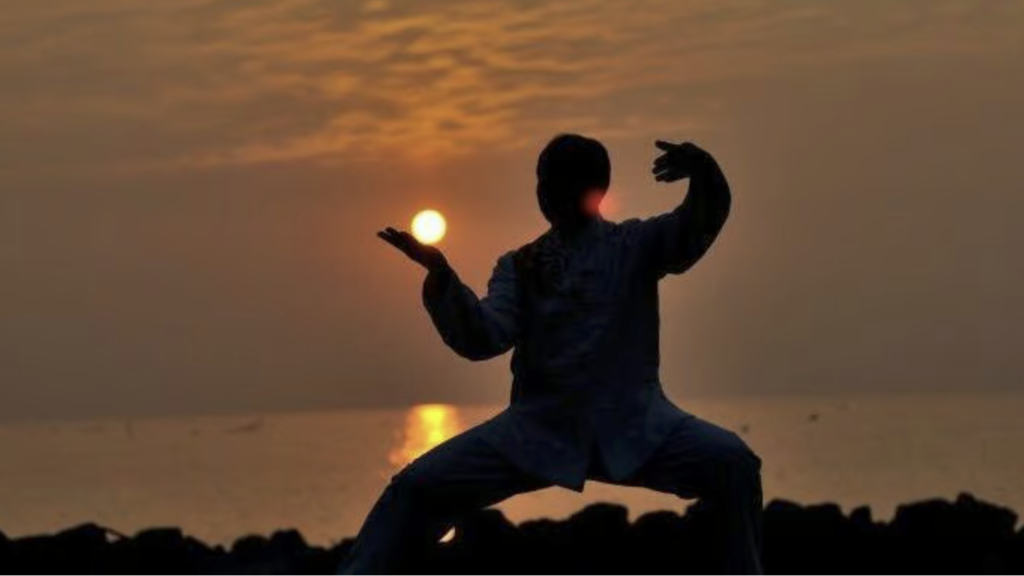
Tai Chi is a gentle, low-impact form of movement that improves physical fitness while also calming the mind. Originally developed as a martial art, it’s now practiced worldwide for its powerful health benefits. The best part? You can practice Tai Chi right at home, with very little space or equipment.
Whether you’re a beginner, returning to exercise after a break, or simply looking for a more mindful way to move, Tai Chi offers a safe, effective, and sustainable path to better health.
What Is Tai Chi?
Tai Chi is often described as “meditation in motion.” It consists of slow, flowing movements combined with deep breathing and focused attention. Each movement transitions smoothly into the next, creating a continuous and relaxed flow.
Unlike high-impact workouts, Tai Chi emphasizes:
- Control over force
- Balance over speed
- Awareness over intensity
This makes it suitable for people of all ages and fitness levels.
Why Tai Chi Is Perfect for Home Workouts
One of the biggest barriers to fitness is convenience. Gym memberships, travel time, and crowded spaces can make it hard to stay consistent. Tai Chi removes those obstacles.
Benefits of Practicing Tai Chi at Home:
- No special equipment required
- Minimal space needed
- Low risk of injury
- Easy to adapt to your schedule
- Suitable for beginners and advanced practitioners
You don’t need a large living room or fancy setup. A quiet space where you can move freely is enough.
The Physical Benefits of Tai Chi
Although Tai Chi looks gentle, it delivers real physical results when practiced consistently.
Improved Balance and Stability
Tai Chi strengthens the muscles that support balance, especially in the legs and core. This is one reason it’s often recommended for fall prevention.
Increased Strength
Holding postures and moving slowly builds functional strength, particularly in the lower body. Over time, movements become more controlled and powerful.
Better Flexibility and Joint Health
Tai Chi moves joints through their natural range of motion, helping reduce stiffness and improve mobility without strain.
Improved Posture
The upright, aligned posture used in Tai Chi strengthens the back and improves body awareness, reducing tension in the neck and shoulders.
Mental and Emotional Benefits
Tai Chi isn’t just exercise—it’s also a mental reset.
Stress Reduction
Slow movements and controlled breathing calm the nervous system, helping reduce stress and anxiety.
Improved Focus and Mindfulness
Tai Chi encourages being present in the moment, improving concentration and mental clarity.
Better Sleep
Many people report improved sleep quality when practicing Tai Chi regularly, especially when done in the evening.
Getting Started With Tai Chi at Home
Starting Tai Chi doesn’t have to be complicated.
1. Choose a Quiet Space
Find a calm area where you won’t be interrupted. Natural light and fresh air are a bonus, but not required.
2. Wear Comfortable Clothing
Loose, breathable clothing allows for easy movement. Flat shoes or bare feet work best.
3. Start Small
Begin with 10–15 minutes a day. Consistency matters more than duration.
4. Follow a Beginner Routine
Online videos or guided programs can help you learn proper form and flow.
Basic Tai Chi Movements for Beginners
Here are a few common Tai Chi movements you may encounter:
- Commencing Form – Centers the body and prepares the mind
- Parting the Horse’s Mane – Improves coordination and leg strength
- White Crane Spreads Its Wings – Enhances balance and posture
- Wave Hands Like Clouds – Encourages fluid movement and relaxation
Focus on smooth transitions rather than perfection.
Breathing: The Heart of Tai Chi
Breathing is a key part of Tai Chi practice. Movements are slow so breathing can remain deep and controlled.
Tips:
- Breathe through the nose
- Inhale during expansion
- Exhale during relaxation
- Never hold your breath
Over time, breathing naturally syncs with movement.
How Often Should You Practice Tai Chi?
For best results:
- Beginners: 3–4 times per week
- Intermediate: 20–40 minutes most days
- Advanced: Daily practice
Even short daily sessions can lead to noticeable improvements in balance, flexibility, and mental calm.
Equipment to Enhance Your Tai Chi Practice
Tai Chi requires very little equipment, but a few simple items can improve comfort and focus.
Optional Equipment:
- Non-slip mat
- Comfortable flat shoes
- Lightweight resistance bands (for strength progression)
- Online Tai Chi programs or apps
Remember, equipment should support your practice—not distract from it.
Tai Chi vs. Other Home Workouts
Tai Chi complements other fitness routines beautifully.
- Compared to HIIT: Lower intensity, less joint stress
- Compared to yoga: More continuous movement, less static holds
- Compared to strength training: Focuses on coordination and control
Many people combine Tai Chi with walking, light strength training, or stretching for a well-rounded routine.
Staying Motivated at Home
Consistency is the key to progress.
Tips to stay motivated:
- Practice at the same time each day
- Track your sessions
- Focus on how you feel, not how you look
- Keep sessions enjoyable and pressure-free
Tai Chi is about progress, not perfection.
Who Can Benefit From Tai Chi?
Tai Chi is ideal for:
- Beginners to fitness
- Seniors
- People recovering from injury
- Anyone dealing with stress or burnout
- Those looking for gentle but effective exercise
It meets you where you are and grows with you.
Final Thoughts
You don’t need a gym, heavy equipment, or intense workouts to get fit. Tai Chi proves that slow, mindful movement can be just as powerful—sometimes even more so.
By practicing Tai Chi at home, you build strength, balance, flexibility, and calm in a way that supports your body long-term. It’s fitness that feels good, not exhausting.
If you’re ready to get fit without leaving the comfort of your home, Tai Chi might be exactly what your body and mind need.