
If you’ve recently started drinking matcha, there’s a good chance you had one expectation in mind: a smooth, creamy, slightly sweet green tea experience that feels both energising and calming at the same time.
Then reality hit.
You took your first sip and instead of a silky, balanced drink, you got something grassy, sharp, maybe even unpleasantly bitter. Naturally, your first thought was probably simple: Why is matcha bitter?
This is one of the most common questions people ask when trying matcha for the first time, and the answer is more nuanced than most people think.
Contrary to what many beginners assume, matcha is not supposed to taste aggressively bitter. Yes, a slight bitterness is part of its natural profile, but when prepared well and made from high-quality leaves, matcha should feel balanced. You should notice earthy notes, a mild sweetness, creamy texture, vegetal freshness, and a rich umami depth that lingers pleasantly.
So when matcha tastes harsh or overly bitter, something is usually off.
The good news is that bitter matcha is often completely fixable. In many cases, the problem isn’t matcha itself, but the quality of the powder, the water temperature, or the way it’s prepared.
Understanding why matcha tastes the way it does helps you enjoy it properly—and once you get it right, the difference is surprisingly dramatic.
Matcha Is Naturally Slightly Bitter—But That’s Normal
Before blaming your preparation or your product, it helps to understand that some bitterness in matcha is completely normal.
Matcha comes from green tea leaves grown under shade before harvest. This shading process increases chlorophyll and amino acid levels, especially L-theanine, which contributes to matcha’s sweetness and umami.
At the same time, tea leaves naturally contain catechins, a type of antioxidant responsible for some bitterness and astringency.
This is why matcha has a complex taste profile.
A well-made cup of matcha is never just sweet or just bitter. Instead, it’s a layered experience. You may notice:
- fresh vegetal notes
- mild grassy tones
- subtle sweetness
- creamy mouthfeel
- gentle bitterness
- savoury umami finish
That slight bitterness is part of what makes matcha interesting.
The issue begins when bitterness dominates everything else.
If your matcha tastes like blended spinach mixed with regret, there’s probably a reason.
The Biggest Reason Matcha Tastes Bitter: Poor Quality
This is the most common cause, and honestly, it explains a huge percentage of bad matcha experiences.
Not all matcha is created equally.
Many people buy their first matcha based on price or convenience. They grab a random tin online, a supermarket powder, or a café version and assume all matcha tastes roughly the same.
That assumption is where disappointment begins.
Low-quality matcha is often made from:
older tea leaves,
later harvests,
less shading before harvest,
more stems and veins.
Older leaves naturally contain more tannins and stronger bitter compounds while having fewer amino acids that create sweetness and smoothness.
As a result, low-grade matcha tends to have:
a dull olive or yellow-green colour,
grainy texture,
flat aroma,
harsh bitterness.
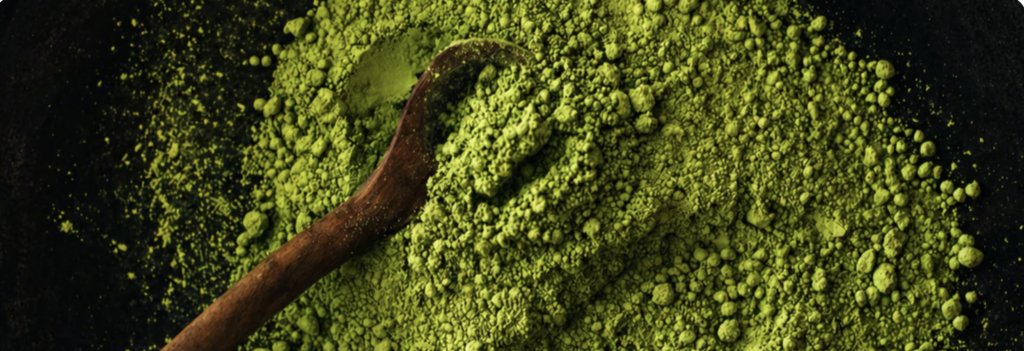
Good matcha should look vibrant and almost luminous green.
Colour matters more than many people realise.
Bright green usually indicates fresher leaves, higher chlorophyll, and better production quality.
Dull green or brownish powder often signals oxidation or lower-grade leaves.
This alone can transform the taste dramatically.
A premium matcha feels smoother, sweeter, and creamier—even before adding milk or sweetener.
Water Temperature Can Ruin Good Matcha
You can buy excellent matcha and still make it taste awful.
One of the most common mistakes is using boiling water.
This happens because people prepare matcha like regular tea. They boil water, pour it directly over the powder, stir, and wonder why it tastes burnt and aggressively bitter.
Matcha is delicate.
Boiling water damages flavour compounds and amplifies bitterness by extracting harsher catechins more aggressively.
The ideal water temperature is around 70–80°C (158–176°F).
This range helps preserve sweetness and umami while keeping bitterness under control.
If you don’t have a thermometer, an easy trick is simple:
Boil the water first, then let it cool for about 5–7 minutes.
That usually brings it into a safer temperature zone.
This one change alone often makes people think they bought a completely different matcha.
You Might Be Using Too Much Powder
More matcha does not automatically mean better matcha.
Beginners often assume that adding extra powder will create stronger flavour and more health benefits.
Instead, it usually creates an overly concentrated drink that tastes muddy and bitter.
Traditional serving sizes are surprisingly small.
A standard serving is roughly 1–2 grams, which is about half to one teaspoon.
This amount is enough to create a balanced bowl or cup.
Using double or triple that amount without adjusting water or milk can overwhelm the palate.
Matcha is concentrated by nature because you consume the whole leaf in powdered form.
A little goes a long way.
Sometimes fixing bitterness is as simple as reducing your portion.
Improper Whisking Creates Bitter Clumps
Another issue is poor mixing.
If matcha powder isn’t properly dissolved, it forms clumps.
These concentrated pockets create inconsistent flavour. One sip tastes watery, the next tastes intensely bitter.
This is especially common with iced matcha.
People often shake powder directly into cold liquid and expect it to dissolve naturally.
Unfortunately, matcha doesn’t work like instant coffee.
It needs proper suspension.
Traditionally, matcha is whisked using a bamboo whisk called a chasen.
Whisking breaks up clumps, aerates the tea, and creates a smoother texture.
If you don’t have a bamboo whisk, a handheld frother works surprisingly well.
The key is dissolving the powder fully before drinking.
Smooth texture improves flavour more than most people expect.
Why Iced Matcha Sometimes Tastes Worse
A lot of people ask why their iced matcha tastes more bitter than hot matcha.
It seems counterintuitive because cold drinks should feel smoother.
But iced matcha often goes wrong for simple reasons.
First, cold water doesn’t dissolve powder efficiently.
Second, many people overcompensate by adding extra powder for stronger flavour.
Third, undissolved clumps become much more noticeable in cold drinks.
The better method is simple:
Prepare matcha first with a small amount of warm water.
Whisk until smooth.
Only then add ice, cold water, or milk.
This preserves texture and flavour balance.
Skipping this step often leads directly to bitterness.
Is Ceremonial Grade Always Better?
The phrase “ceremonial grade” appears everywhere.
Many beginners assume it automatically guarantees quality.
Not necessarily.
Ceremonial grade is useful as a general guide, but it’s also heavily used as marketing language.
A truly high-quality ceremonial matcha should be:
bright green,
smooth,
naturally sweeter,
less bitter,
rich in umami.
However, some brands label average matcha as ceremonial simply because the term sells well.
So if your ceremonial matcha tastes harsh, it doesn’t automatically mean you prepared it wrong.
The product itself may not be as premium as advertised.
This is why buying from trusted specialty brands matters.
Transparency around harvest, origin, and freshness is usually a better quality indicator than marketing labels alone.
Why Café Matcha Often Tastes Different
Many people first try matcha through cafés.
This creates another layer of confusion.
A matcha latte from a coffee chain often tastes sweet, creamy, and approachable.
Then they buy matcha powder for home and suddenly discover a very different flavour.
Why?
Commercial cafés often use:
pre-sweetened matcha blends,
added sugar,
milk-heavy recipes,
lower-grade powder balanced by sweeteners.
This makes the drink easier for mass appeal.
So when people transition from café matcha to traditional matcha, the difference can feel shocking.
Neither approach is inherently wrong.
They’re simply different experiences.
A traditional bowl highlights the tea itself.
A café latte is more of a flavoured beverage.
If you’re new to matcha, starting with lattes can help your palate adjust.
Can You Reduce Matcha Bitterness?
Absolutely.
If your matcha is too bitter, you don’t need to throw it away immediately.
Several simple adjustments can improve it.
Use slightly cooler water.
Reduce powder quantity.
Whisk more thoroughly.
Switch to better-quality powder.
Add milk for creaminess.
Add a small amount of sweetener if needed.
Honey, maple syrup, vanilla syrup, or date syrup can soften bitterness without overpowering the flavour.
There’s no rule saying matcha must be consumed in its purest form.
Enjoyment matters more than ceremony.
Why Good Matcha Is Worth the Price
People often hesitate to spend more on matcha.
At first glance, premium matcha can seem expensive for such a small tin.
But quality matters enormously here.
Unlike many teas, matcha is not forgiving.
Low quality is immediately noticeable.
A better powder doesn’t just improve taste—it improves consistency.
When matcha tastes enjoyable, you’re far more likely to drink it regularly.
That matters because matcha benefits are cumulative.
Regular matcha consumption is often associated with:
steady energy,
focus support,
antioxidants,
metabolism support,
calmer alertness thanks to L-theanine.
If bitterness makes you avoid drinking it, those benefits become irrelevant.
In that sense, taste directly affects habit formation.
Final Thoughts
So, why is matcha bitter?
Usually, it comes down to one of a few predictable reasons: low-quality powder, overly hot water, too much matcha, or poor preparation technique.
Matcha itself is not supposed to taste aggressively bitter.
A good cup should feel balanced, smooth, earthy, slightly sweet, and pleasantly complex.
That tiny touch of bitterness is normal—it’s part of matcha’s personality.
But harshness is usually a sign that something needs adjusting.
Once you understand the basics, matcha becomes much easier to enjoy.
And when prepared properly, it’s easy to understand why so many people become genuinely obsessed with it.
The difference between bad matcha and good matcha is not small.
It’s basically the difference between drinking liquid grass and drinking something surprisingly elegant.
That’s quite a gap for one green powder.