
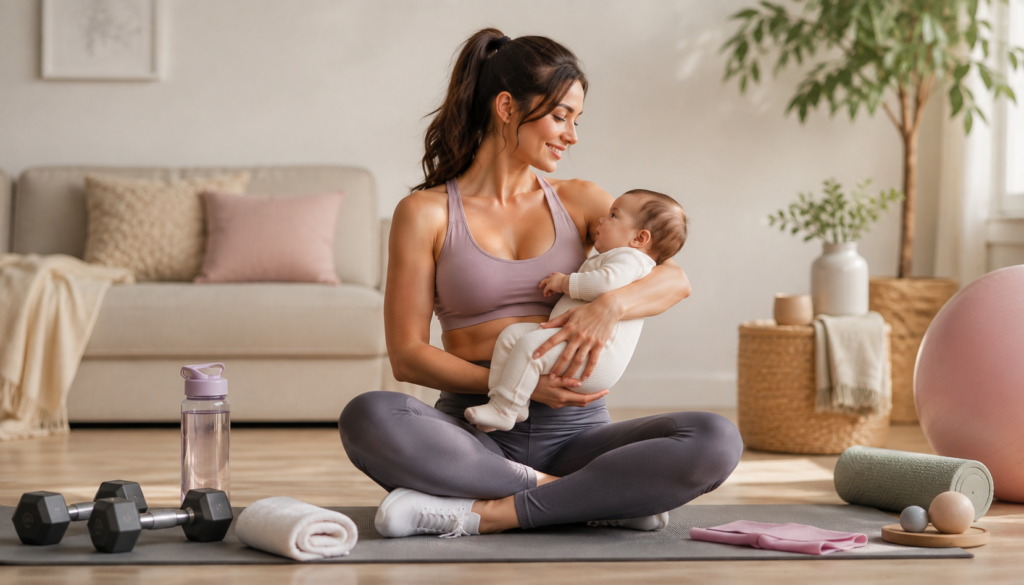
There’s a particular narrative that surrounds postpartum bodies — the “bounce back,” the six-week countdown, the before-and-after photos that suggest recovery is a linear sprint back to some previous version of yourself. It’s a narrative that does a genuine disservice to the reality of what a body has just been through, and it sets up expectations that are, for most women, simply not aligned with how postpartum recovery actually works.
Here is a more honest starting point: your body just spent roughly forty weeks growing an entire human being, and then went through one of the most physically significant events a body can experience — labor and delivery, whether vaginal or cesarean. The idea that this process should be “undone” within six weeks, or that a fully recovered, pre-pregnancy body is even the right goal, misunderstands both the physiology involved and what actually matters for long-term health and function. Postpartum recovery isn’t about getting your old body back. It’s about rebuilding strength, restoring function, and creating a sustainable relationship with movement in a body that has changed — sometimes temporarily, sometimes permanently — and deserves patience rather than pressure.
This guide walks through what postpartum recovery actually involves, how to think about returning to movement in a way that honors that recovery, and how to build sustainable fitness habits as a new mother, without pretending that any of this happens on a fixed, universal timeline.
Understanding Postpartum Recovery
Postpartum recovery is often discussed as though it ends at the six-week mark — the timing of the standard postpartum checkup in many healthcare systems. In reality, six weeks is a reasonable point for a general health check, but it’s far from a finish line for physical recovery. Tissues that were stretched over nine months don’t fully return to baseline in six weeks. Hormonal shifts continue for months, particularly for breastfeeding mothers, whose bodies maintain elevated levels of relaxin and reduced estrogen for as long as breastfeeding continues, both of which affect joint stability and tissue healing. Many pelvic health professionals now describe the “fourth trimester” as extending through the first three months postpartum, and some frame full physical recovery as an ongoing process that can take a year or more, particularly for core and pelvic floor function.
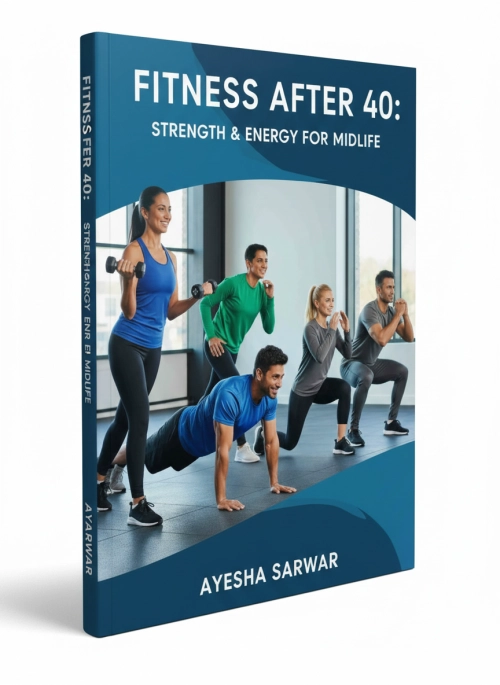
Fitness After 40
E-books
Unlike generic fitness guides, Fitness After 40 is designed specifically for midlife challenges and goals. It’s written in a straightforward, encouraging tone to make fitness achievable for everyone, no gym required.
This longer timeline isn’t meant to be discouraging — it’s meant to be realistic, because realistic expectations tend to produce far less frustration and self-criticism than an artificially compressed timeline that most bodies simply can’t meet. Recovery from pregnancy and birth is closer to recovery from a significant physical event (because that’s exactly what it is) than to a typical fitness “off week.”
Why Recovery Takes Time
A few specific physiological realities explain why postpartum recovery genuinely takes longer than popular culture suggests. The uterus, which grew from the size of a pear to large enough to house a full-term baby, takes about six weeks to return to its pre-pregnancy size through a process called involution — but the surrounding connective tissue and abdominal muscles take considerably longer to regain their pre-pregnancy tension and function. The abdominal muscles, particularly the rectus abdominis, may remain separated at the midline (a condition called diastasis recti, covered in detail below) well beyond six weeks, sometimes requiring targeted rehabilitation to fully resolve. The pelvic floor, which supported significant additional weight throughout pregnancy and, in vaginal deliveries, experienced substantial direct trauma and stretching during birth, needs time — and often targeted rehabilitation — to regain full function. Hormones that supported pregnancy and, if breastfeeding, continue to affect the body don’t simply switch off at six weeks; relaxin and prolactin, in particular, remain elevated for as long as breastfeeding continues, keeping joints looser and, in some cases, affecting bone density temporarily.
Beyond the physical, sleep deprivation, the physical demands of caring for a newborn, and the emotional adjustment to parenthood all affect the body’s capacity for recovery and exercise in ways that are just as real as the physiological healing itself.
The Early Postpartum Period
The first few weeks after birth — regardless of delivery method — call for genuine rest and gentle movement rather than structured exercise. This period is about healing: from tissue trauma if there was a vaginal tear or episiotomy, from major abdominal surgery if delivery was cesarean, from the general physical toll of labor, and from the significant blood loss that accompanies childbirth.
During this window, “movement” looks like short, gentle walks as comfort allows, basic pelvic floor and deep breathing awareness (often introduced even in the first days postpartum, in very gentle form), and simply prioritizing rest whenever possible — which, with a newborn, is often in short, unpredictable bursts rather than long stretches. This is not a period to think about “exercise” in any structured sense; it’s a period to focus on healing, adequate nutrition, hydration, and getting whatever sleep is available.
Returning to Gentle Movement
Most healthcare providers suggest that women with uncomplicated vaginal deliveries can begin very gentle activity — short walks, light stretching, pelvic floor awareness exercises — within the first couple of weeks, as tolerated, while women who had a cesarean delivery (a major abdominal surgery) generally need a longer initial period of rest before even gentle activity, given the incision and internal healing involved. This distinction matters, and it’s worth saying plainly that a cesarean birth is not “the easy way out,” as it’s sometimes unfairly characterized — it involves a longer physical recovery in several respects, and deserves to be treated accordingly.
The general principle during this phase is to let symptoms guide activity level: if a walk or a gentle stretch causes increased bleeding, pain, or a sense of heaviness or pressure in the pelvis, that’s a signal to scale back and give the body more time, not a signal to push through.
Walking and Gradual Activity
Walking is typically one of the first forms of structured movement reintroduced after birth, and for good reason: it’s low-impact, easily adjustable in pace and distance, and provides real cardiovascular and mental health benefits without placing significant strain on healing tissues. Many women begin with very short walks — five or ten minutes — around the house or the block, gradually extending duration and pace over the following weeks as energy and comfort allow.
A useful mental framework here is progressive overload applied to the gentlest possible starting point: rather than a fixed timeline (walk for 10 minutes by week two, 20 minutes by week four), progression should be based on how the body responds. Some weeks allow for meaningful increases; others, particularly when sleep has been especially disrupted or a growth spurt has the baby feeding more frequently, may call for maintaining or even reducing activity temporarily. This isn’t regression — it’s appropriate responsiveness to a body under real, variable physical demand.
Pelvic Floor Health
The pelvic floor deserves central attention in postpartum recovery, arguably more than any other single area, because it was directly and significantly affected by pregnancy and, in vaginal deliveries, by birth itself. Even in cesarean deliveries, the pelvic floor supported significant weight throughout pregnancy and experienced hormonal effects that influence its function.
Common postpartum pelvic floor issues include urinary incontinence (leakage with coughing, sneezing, laughing, or exercise), a sensation of heaviness or bulging in the vagina (which can indicate pelvic organ prolapse, where pelvic organs shift downward due to weakened support structures), and pain during intercourse. These symptoms are common — research suggests a substantial percentage of postpartum women experience at least mild urinary incontinence — but “common” does not mean they should be accepted as a permanent, untreatable consequence of childbirth. Pelvic floor physical therapy is highly effective for most of these issues, and many countries (notably France, where postpartum pelvic floor rehabilitation is a routine, insurance-covered part of postpartum care) treat this kind of specialized care as standard practice rather than an optional extra.
Whether or not formal pelvic floor physical therapy is accessible, rebuilding pelvic floor coordination — both the ability to contract and, importantly, the ability to fully relax the pelvic floor — is a foundational piece of postpartum recovery that ideally precedes higher-impact exercise like running or jumping.
Core Recovery
Core recovery after pregnancy involves more than just the visible abdominal muscles; it involves rebuilding the coordinated function of the deep core system — the transverse abdominis, diaphragm, pelvic floor, and back muscles — that was significantly altered by pregnancy. This coordinated function was often disrupted well before delivery, as the growing uterus stretched the abdominal wall and changed the mechanics of breathing and movement throughout pregnancy.
Early core recovery work typically starts with very gentle exercises: diaphragmatic breathing coordinated with pelvic floor engagement, gentle pelvic tilts, and heel slides (sliding one heel along the floor while lying down, engaging the deep core to stabilize the pelvis). These may feel almost too simple to be useful, but they rebuild the foundational coordination that more advanced core exercises — and eventually, higher-impact activities — depend on. Progressing too quickly to traditional ab exercises like crunches, before this foundational coordination is reestablished, is one of the more common postpartum fitness mistakes, and can potentially worsen issues like diastasis recti or pelvic floor dysfunction rather than improve them.
Abdominal Changes After Pregnancy
The postpartum abdomen looks and feels different from the pre-pregnancy abdomen for most women, at least initially, and often permanently in some respects. The skin has stretched and may retain some looseness. The abdominal muscles have been stretched and may take time to regain tone. Many women notice a soft, sometimes protruding appearance to the lower abdomen in the weeks and months after birth — this is a combination of stretched skin, separated abdominal muscles, and a uterus still returning to its pre-pregnancy size, not a reflection of body fat or “not trying hard enough.”
This is worth stating clearly and without hedging: these changes are a normal, expected consequence of pregnancy, not a problem to be urgently corrected. Some changes resolve substantially with time and appropriate rehabilitation; others — like some degree of loose skin or a permanently altered abdominal shape — may not fully reverse regardless of exercise, and that’s a normal outcome of having carried a pregnancy, not a personal failing.
Diastasis Recti: What It Is and Why Professional Assessment May Matter
Diastasis recti refers to the separation of the two sides of the rectus abdominis muscle along the linea alba, the connective tissue running down the midline of the abdomen. This separation occurs to some degree in the majority of pregnancies — it’s a normal adaptation that allows the abdominal wall to accommodate a growing uterus — and for many women, the gap narrows naturally in the weeks and months after birth as the connective tissue regains tension.
For some women, though, the separation persists beyond what’s considered a normal range, which can affect core strength, contribute to lower back pain, and in some cases affect the appearance of the abdomen (sometimes described as a persistent “pooch” or doming along the midline during certain movements). A physical therapist trained in postpartum or pelvic health can assess the width and depth of the separation and, more importantly, assess how well the connective tissue is generating tension — a factor that matters more functionally than the width measurement alone.
Because certain exercises (particularly traditional crunches and other movements that create significant pressure against the midline) can worsen diastasis recti if introduced too early or without appropriate progression, a professional assessment before returning to more intensive core training is a genuinely valuable step for many postpartum women, not an unnecessary extra precaution.
Gradually Rebuilding Strength
Once foundational pelvic floor and deep core coordination has been reestablished — a process that unfolds over weeks, sometimes longer — strength training can be gradually reintroduced, following the same principle that governed the early walking progression: start gently, and let the body’s response guide progression rather than a fixed calendar.
A reasonable early progression often includes bodyweight movements performed with attention to pelvic floor and core coordination — modified squats, glute bridges, gentle rows — before adding external resistance. As strength and confidence build, load and complexity can increase gradually. Throughout this progression, paying attention to how the pelvic floor and core respond (any sense of heaviness, leaking, doming of the abdomen, or increased lower back discomfort) provides useful feedback about whether the current level of exercise is appropriately matched to the body’s current recovery stage.
Returning to Cardiovascular Exercise
Cardiovascular exercise can generally be reintroduced gradually alongside strength work, typically starting with walking and progressing, as comfort and clearance from a healthcare provider allow, toward higher-impact activities like running, jumping, or high-intensity interval training. Many pelvic health professionals suggest a more conservative approach to returning to running specifically — sometimes recommending waiting three months or longer postpartum, and completing some foundational pelvic floor and core rehabilitation first — given that running involves repeated impact forces that place real demand on a pelvic floor and core system that may not yet have fully recovered its supportive capacity.
This is an area where individual variation is significant: some women, particularly those with straightforward vaginal deliveries and no pelvic floor symptoms, may be ready for higher-impact activity sooner; others, particularly after complicated deliveries or with ongoing pelvic floor symptoms, may need considerably more time. A pelvic health physical therapist can offer individualized guidance on readiness for return to running or other higher-impact activities, often through specific functional tests (like the ability to perform single-leg hops without pain, leaking, or a sense of heaviness) rather than a generic timeline.
Returning to Resistance Training
Returning to resistance training follows a similar principle of gradual, symptom-guided progression. Women who trained regularly before and during pregnancy often have a reasonable baseline to build back from, though it’s important to recognize that pregnancy and the early postpartum period typically involve some loss of strength and conditioning, simply due to reduced training volume and the physical toll of pregnancy, birth, and early postpartum recovery. Approaching the return to resistance training with the expectation of rebuilding, rather than picking up exactly where pre-pregnancy training left off, tends to produce a smoother, more sustainable progression and reduces injury risk.
Mobility and Flexibility
Mobility work remains valuable in the postpartum period, both for general comfort and because certain postural patterns — a rounded upper back and forward head position from nursing or bottle-feeding, tight hip flexors from extended sitting during feeds, and general fatigue-related tension — tend to develop during early parenthood regardless of prior fitness level. Gentle stretching, foam rolling, and mobility-focused sessions (even just ten minutes, a few times a week) can meaningfully offset some of this postural strain.
Posture and Carrying a Baby
The physical demands of caring for an infant are genuinely significant and often underestimated in conversations about postpartum fitness. Carrying a baby — who typically doubles their birth weight by around five months and often weighs 15 to 20 pounds by the end of the first year — repeatedly, in car seats, carriers, and simply in arms, places real, cumulative strain on the back, shoulders, neck, and wrists. Add in the postural demands of nursing or bottle-feeding (frequently performed hunched forward, looking down) for extended periods multiple times a day, and it becomes clear why so many new mothers develop upper back, neck, and shoulder tension in the months after birth.
Building postural awareness — bringing the baby to the chest rather than hunching down toward the baby during feeds, using proper body mechanics when lifting a car seat (bending at the knees and hips rather than the back), and incorporating strengthening exercises for the upper back and shoulders — can meaningfully reduce this strain over time.
Fatigue and Sleep Deprivation
It’s difficult to overstate how significantly sleep deprivation affects both recovery capacity and the practical experience of trying to exercise in early parenthood. Chronic sleep deprivation impairs muscle recovery, increases perceived effort during exercise, affects mood and motivation, and in some cases increases injury risk due to reduced coordination and attention.
This reality should inform expectations rather than being treated as an obstacle to push through with sheer willpower. On weeks (or months) of particularly disrupted sleep, scaling back exercise expectations — favoring gentle movement over intense training, prioritizing any available sleep over an early morning workout — is a reasonable and often necessary adjustment, not a failure of discipline.
Breastfeeding Considerations
For breastfeeding mothers, a few specific considerations apply to exercise. Elevated relaxin levels, mentioned earlier, mean joint laxity may persist longer than in non-breastfeeding mothers, which is worth factoring into decisions about impact and load progression. Breast comfort during exercise is a practical concern worth addressing directly — a well-fitted, supportive sports bra makes a significant difference, and some women prefer to nurse or pump shortly before exercising to reduce breast fullness and discomfort during activity. There’s no evidence that moderate exercise negatively affects milk supply or composition, though very high-intensity exercise in some studies has been associated with a temporary, mild change in milk taste (related to lactic acid), which some babies don’t seem to notice at all and others may briefly resist — this is a minor and inconsistent finding, not a reason to avoid exercise.
Hydration and Nutrition
Postpartum nutrition needs to support healing, energy for the demands of new parenthood, and, for breastfeeding mothers, milk production, which requires a meaningful increase in both caloric and fluid intake. Breastfeeding mothers typically need several hundred additional calories daily compared to pre-pregnancy needs, alongside adequate protein, healthy fats, and micronutrients to support both their own recovery and milk production. This is a period to prioritize adequate nutrition rather than caloric restriction, even for mothers interested in eventual weight changes — restrictive eating during the demanding, high-energy-need postpartum period, particularly while breastfeeding, isn’t well aligned with recovery or milk supply, and rapid postpartum weight loss is neither necessary nor advisable.
Hydration deserves particular emphasis for breastfeeding mothers, since fluid needs increase to support milk production; many find it helpful to keep a water bottle within reach during nursing or pumping sessions, since these often become natural reminders to drink.
Mental Wellbeing
The postpartum period carries significant mental health considerations that are directly relevant to any conversation about fitness. Postpartum mood and anxiety disorders — including postpartum depression, which affects roughly one in seven to one in eight new mothers, and postpartum anxiety, which may be similarly common though less frequently discussed — are genuinely common and treatable conditions, not a sign of ingratitude or personal weakness.
Exercise has real, evidence-supported benefits for postpartum mental health, and many women find that even brief periods of movement — a walk with the stroller, a few minutes of stretching — provide a meaningful boost to mood and a sense of agency during a period that can otherwise feel physically and emotionally overwhelming. That said, exercise is not a substitute for professional treatment when postpartum depression or anxiety symptoms are significant, and any new mother experiencing persistent sadness, anxiety, intrusive thoughts, or difficulty bonding with her baby should reach out to a healthcare provider — these symptoms deserve treatment, and effective treatments exist.
Body Image After Pregnancy
Postpartum body image deserves honest acknowledgment: many women feel a genuine sense of disconnect from a body that looks and feels different from before pregnancy, even while feeling deep love and gratitude for what that body accomplished. Both feelings can coexist, and neither cancels out the other.
Cultural messaging around postpartum bodies — the relentless “bounce back” narrative, the celebrity transformation stories often achieved with resources (personal trainers, chefs, nannies, and sometimes cosmetic procedures) unavailable to most new mothers — sets up comparisons that are neither fair nor realistic. Consciously resisting this framing, and instead measuring progress by function (strength, energy, comfort, capability) rather than appearance, tends to support both better mental health and more sustainable exercise habits during this period.
Setting Realistic Expectations
Realistic postpartum fitness expectations account for the genuine physiological recovery timeline (which, as discussed, often extends well beyond six weeks and sometimes beyond a year for full core and pelvic floor recovery), the significant time and energy demands of caring for a newborn, the effects of sleep deprivation on both motivation and physical recovery, and the simple fact that “getting back into shape” after pregnancy is a different process than starting a fitness routine at any other life stage, precisely because of everything the body has just been through.
How to Recognize When Something Does Not Feel Right
A few signals warrant particular attention and generally suggest a need to scale back activity and consult a healthcare provider or pelvic health physical therapist: any sense of heaviness, bulging, or pressure in the vagina during or after exercise (which can indicate pelvic organ prolapse), leaking urine or stool during exercise, visible doming or bulging along the abdominal midline during exercise, persistent pain (pelvic, abdominal, back, or otherwise) that worsens with activity, and any bleeding that increases with activity, particularly if it had previously tapered off. None of these symptoms should be treated as a normal, unavoidable consequence of having given birth — they’re signals that the current level or type of activity may be exceeding what the body is currently ready for, and they’re generally responsive to appropriate modification and, often, targeted physical therapy.
When to Seek Professional Medical or Pelvic-Health Guidance
Beyond the specific warning signs above, a general referral to a pelvic health physical therapist is worth considering for essentially any postpartum woman planning a return to exercise, not just those with active symptoms — in the same way that seeing a physical therapist after a significant injury is standard practice in sports medicine, treating postpartum recovery with similar seriousness is increasingly recognized as good practice, even though access to this kind of specialized, often insurance-covered care varies considerably by country and healthcare system.
Common Postpartum Fitness Myths
Several myths persist in postpartum fitness culture and are worth addressing directly. The idea that women should be back to their pre-pregnancy weight or shape by six weeks, or any fixed timeline, isn’t grounded in the actual physiology of recovery and sets up expectations most bodies can’t and shouldn’t try to meet. The idea that breastfeeding alone will produce significant weight loss is inconsistent — some women lose weight readily while breastfeeding, others don’t, and breastfeeding itself increases caloric needs rather than functioning as a weight-loss method. The idea that ab exercises specifically will “close” diastasis recti through spot targeting oversimplifies a process that depends more on connective tissue healing and appropriate progression than on any specific exercise performed repeatedly. And the idea that postpartum exercise should be avoided entirely for months out of caution overcorrects in the other direction — gentle, appropriate movement is generally beneficial from early in the postpartum period, even while more intensive training is appropriately delayed.
Returning to Previous Sports and Exercise
For women returning to a specific sport or exercise practice they engaged in before pregnancy — running, weightlifting, dance, martial arts, team sports — a gradual, staged return tends to work better than attempting to resume at the pre-pregnancy level immediately. This often means returning to foundational movement patterns and lower-intensity versions of the sport first, progressively adding intensity, complexity, and impact as strength, coordination, and pelvic floor function support it. Working with a coach, trainer, or physical therapist familiar with postpartum return-to-sport protocols can be valuable for structuring this progression, particularly for competitive athletes with a strong motivation to return quickly, since the desire to return fast is precisely the situation where a structured, patient approach matters most.
Creating a Sustainable Postpartum Routine
A sustainable approach to postpartum fitness generally starts with realistic time expectations — 15 to 20 minutes of movement, rather than a full hour-long workout, may be all that’s realistically available in early postpartum life, and that’s entirely sufficient to provide real benefit. It also means building flexibility into the routine (a plan for both good days and hard days), prioritizing consistency over intensity, and recognizing that the “routine” itself may need to evolve continuously as the baby grows, sleep patterns shift, and childcare arrangements change.
Exercising While Caring for a Baby
Practical strategies for exercising alongside newborn or infant care include stroller walks or runs (once cleared for the relevant level of activity), workouts performed during nap times (even if unpredictable), home workouts that can be paused and resumed as needed, incorporating the baby into gentle exercises where appropriate (like using baby’s weight for light resistance during certain movements, once medically cleared), and, when available, coordinating with a partner, family member, or childcare provider for dedicated exercise time. None of these need to be elaborate — the goal is simply finding small, realistic windows rather than waiting for an idealized, uninterrupted hour that may not materialize for months.
Finding Time for Movement
Time scarcity is one of the most universal challenges of early parenthood, and it’s worth normalizing that finding time for exercise often requires genuine creativity and lowered expectations about session length and structure, at least temporarily. Ten minutes of movement, done consistently, provides real benefit and, importantly, maintains the habit and identity of being someone who moves regularly — which matters for the months ahead, when more time may become available, and the habit doesn’t need to be rebuilt from scratch.
Progress Without Pressure
Perhaps the most important framing for postpartum fitness is this: progress in this period is rarely linear, and comparing your recovery to anyone else’s — another postpartum mother, an influencer, or even your own previous pregnancy — tends to generate frustration rather than motivation. Recovery unfolds at its own pace, shaped by the specifics of your pregnancy, delivery, sleep, support system, and countless other factors outside your control. Approaching this period with patience, self-compassion, and a genuine focus on how movement makes you feel — rather than how quickly it changes how you look — tends to produce both better long-term outcomes and a considerably kinder experience of an already demanding season of life.
Key Takeaways
-
Postpartum physical recovery genuinely takes longer than the commonly cited six-week mark, particularly for core and pelvic floor function, which can take a year or more to fully recover in some cases.
-
Pelvic floor health deserves central, proactive attention in postpartum recovery, ideally including professional assessment where accessible.
-
Diastasis recti is common and often improves with time and appropriate rehabilitation, but persistent cases benefit from professional assessment before intensive core training resumes.
-
Returning to higher-impact activity, like running, is generally best approached gradually and after foundational pelvic floor and core rehabilitation, often guided by symptom response rather than a fixed calendar date.
-
Sleep deprivation, breastfeeding, and the physical demands of infant care all genuinely affect recovery capacity and should shape realistic expectations.
-
Symptoms like leaking, pelvic heaviness, abdominal doming, or worsening pain during exercise warrant scaling back and seeking professional guidance.
-
Postpartum fitness should focus on function, strength, and wellbeing rather than rapid weight loss or “bouncing back” to a pre-pregnancy appearance.
Frequently Asked Questions
When can I start exercising after giving birth? Gentle activity, like short walks and pelvic floor awareness exercises, can often begin within the first couple of weeks for uncomplicated vaginal deliveries, with a longer initial rest period typically needed after a cesarean delivery. More structured exercise is generally reintroduced gradually after the six-week postpartum checkup, following clearance from a healthcare provider, though full recovery of core and pelvic floor function often takes considerably longer.
How long does it take for diastasis recti to heal? Many cases improve substantially within the first several months postpartum as connective tissue regains tension, though the timeline varies considerably between individuals. Persistent separation beyond the first year benefits from assessment by a physical therapist trained in postpartum or pelvic health, who can guide targeted rehabilitation.
Is it normal to leak urine when exercising after having a baby? It’s common, but common doesn’t mean it should be considered a permanent or untreatable condition. Pelvic floor physical therapy is highly effective for postpartum urinary incontinence in most cases, and this symptom generally warrants both attention and, ideally, professional evaluation rather than simply being accepted.
Will breastfeeding help me lose the baby weight? Breastfeeding increases caloric needs to support milk production and doesn’t function reliably as a weight-loss strategy on its own — some breastfeeding mothers lose weight readily, others don’t, and this varies for reasons that aren’t fully within an individual’s control. Restrictive eating while breastfeeding isn’t advisable given the increased nutritional demands involved.
When is it safe to return to running after having a baby? Many pelvic health professionals suggest waiting a minimum of three months postpartum and completing some foundational pelvic floor and core rehabilitation before returning to running, though individual readiness varies considerably. A pelvic health physical therapist can offer individualized guidance based on functional assessment rather than a generic timeline.
Final Thoughts
Returning to fitness after pregnancy is not a race back to a previous body — it’s a genuine physical and emotional recovery process that deserves patience, professional support where possible, and a considerable amount of self-compassion. Every postpartum experience is different, shaped by the specifics of pregnancy, delivery, support, sleep, and simple individual variation in how bodies heal. The goal worth holding onto through all of this variability is not a return to how things were, but the steady rebuilding of strength, function, and confidence in a body that has done something remarkable — one that deserves care and patience as it finds its next chapter.